

 SAKIGAKE管理人
 Rethinking Mountain Safety on Mountain Day
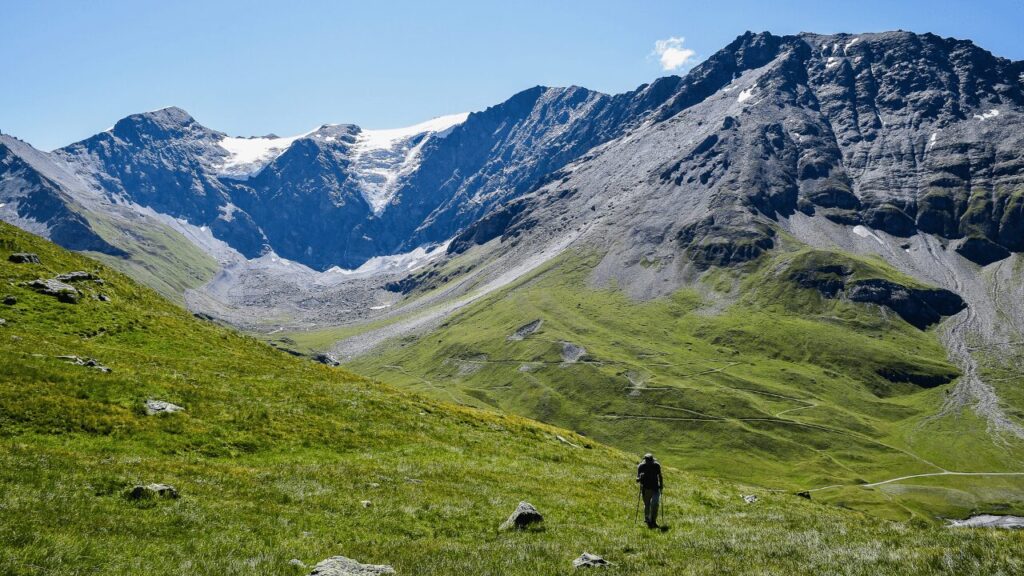
August 11 is “Mountain Day,” a national holiday for enjoying the mountains, appreciating their blessings, and reflecting on the risks of mountaineering and mountain tourism — and how to prepare for them.
At SAKIGAKE JAPAN, our disaster prevention activities often bring us into contact with the mountains. While we are best known for our work in urban disaster prevention and flood countermeasures, we also have a deep interest in mountain safety and rescue operations.
The charm of the mountains is immeasurable — breathtaking scenery, crisp air, the sense of accomplishment at the summit. But alongside these rewards come constant risks: sudden weather changes, falls, slips, and getting lost. How do we prepare for these “what if” scenarios? Today, we’d like to introduce two initiatives we are paying special attention to.
Heli-Portable — A Portable Helipad for Mountain Rescue
The first is the portable helipad night-lighting set known as Heli-Portable.
Weighing a total of 35 kg, it can be carried by one person and assembled quickly by connecting hexagonal units. Compared to conventional helipad construction, it achieves approximately 90% cost reduction while offering exceptional flexibility.
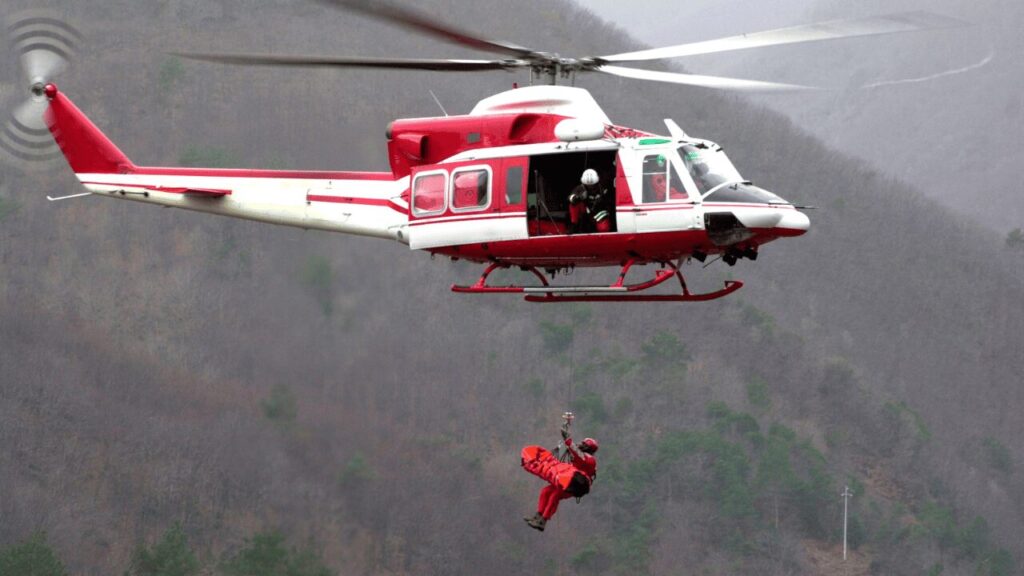
In mountain incidents such as accidents or sudden illness, suitable landing sites for helicopters are scarce. Even when a helicopter can approach, trees, rocks, and slopes may prevent landing, delaying rescue. Heli-Portable solves these problems by providing a “carry-anywhere safe zone.” We see strong potential for its use not only in mountain rescue but also in supporting isolated communities and wide-area transport during disasters.
AUTHENTIC JAPAN’s “Cocoheli” — A Lifeline Through the Airwaves
The second initiative is Cocoheli, a membership-based search and rescue helicopter service by AUTHENTIC JAPAN, whom we recently met at the Fukuoka Growth Pitch event.
Members carry a small transmitter that allows their location to be pinpointed. When necessary, search helicopters or ground rescue teams are dispatched. Even in areas without mobile phone coverage, the dedicated radio signal can determine the member’s location, drastically reducing the time to discovery.
Mountaineering accidents are a series of “unexpected” events: a day hike interrupted by sudden bad weather, fatigue or illness making descent impossible. One way to reduce these “what ifs” is to ensure a system where help can find you. Cocoheli provides that strong safety net.
Lessons from Mountain Disaster Prevention for Corporate Safety Management
Heli-Portable and Cocoheli may seem relevant only to climbers or rescue teams, but they hold lessons for corporate disaster preparedness as well:
- Create the “footing” in advance (Heli-Portable)
→ Position and prepare the necessary functions and resources before an emergency. - Never lose the “connection” (Cocoheli)
→ Maintain a reliable way to convey location and status.
Whether in the mountains or in business, having a “place to operate” and “a way to connect” dramatically improves survival rates and recovery speed.
In Closing — Making Mountain Day a Day to Review Preparedness
Mountain Day can be more than just a time to enjoy nature — it can be a day to confirm that you’re ready to protect your own life and those of your companions.
- Share your climbing plan with family or friends
- Secure a means to call for rescue
- Simulate your actions in case of an emergency
These are both the manners and responsibilities of those who love the mountains. At SAKIGAKE JAPAN, we will continue using our mountain disaster prevention expertise in everyday and corporate safety management, working toward a society where “being prepared” is simply standard.
▶ For inquiries about mountain rescue support equipment or disaster response, click here:
https://sakigakejp.com/en/contact-en/