
 SAKIGAKE管理人
 At 4:10 p.m. on January 1, 2024, a major earthquake struck the Noto Peninsula in Ishikawa Prefecture, Japan. The Japan Meteorological Agency estimated the magnitude at 7.6, with a focal depth of approximately 16 kilometers. The town of Shika recorded a seismic intensity of 7—the highest on Japan’s scale—while widespread building collapses, large-scale fires, and tsunami damage occurred in cities such as Wajima and Suzu.
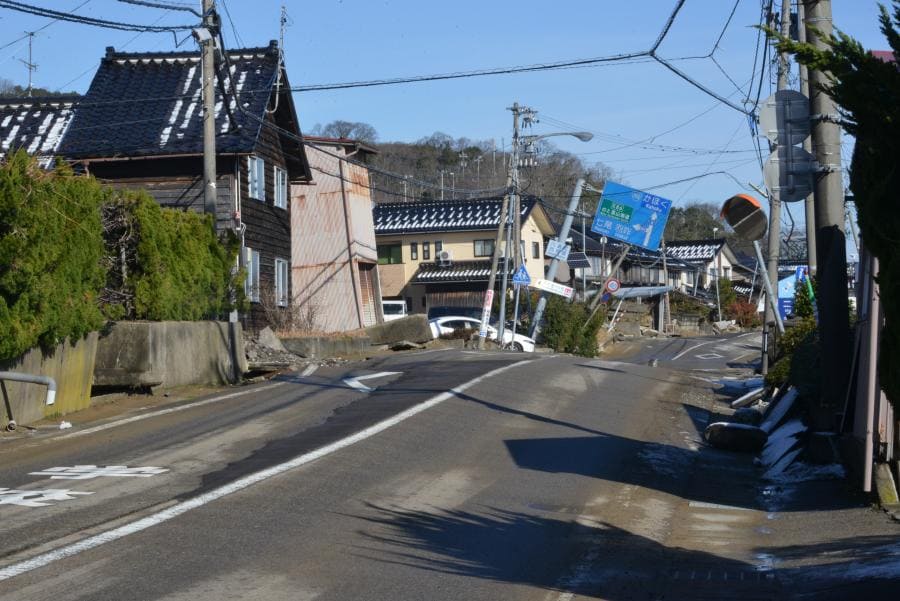
The disaster resulted in 684 fatalities and 1,407 injuries. More than 160,000 homes were damaged, including fully destroyed, partially destroyed, and half-collapsed structures. Extensive road damage and port disruptions caused prolonged logistical paralysis, while electricity, water, and telecommunications systems were severely affected across the region.
However, the true lesson of this disaster lies not only in the scale of destruction, but in a more fundamental question: What functioned—and what failed—under the specific social and temporal conditions of New Year’s Day?
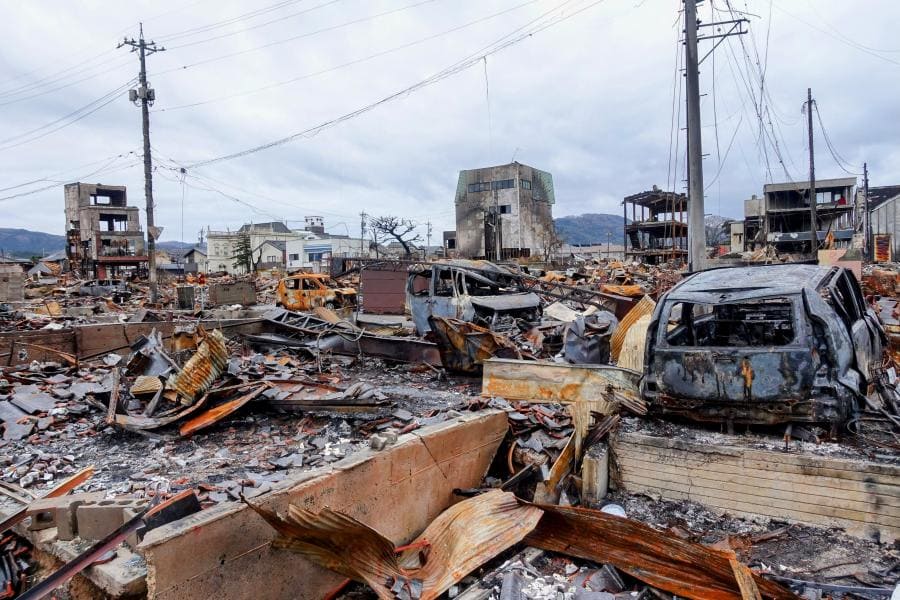
How the New Year Timing Amplified Damage
The New Year period represents a unique social condition in Japan—a nationwide shift into a “holiday mode.” Many disaster response plans and business continuity strategies implicitly assume a weekday, daytime, full-staff scenario. The Noto Peninsula earthquake exposed the fragility of this assumption.
Because the earthquake occurred on January 1, several constraints converged simultaneously:
- Municipal staff and medical professionals were away on holiday or visiting family
- Public transportation was operating on reduced schedules
- Logistics networks were not functioning at normal capacity
- Decision-making and information aggregation were slower to activate
These were not failures of individual effort, but structural conditions that inherently delay emergency response. As a result, the establishment of evacuation centers, damage assessments, and the distribution of relief supplies faced significant delays. Crucially, these conditions should not be considered “unexpected”—they were entirely foreseeable.
Temporary Population Increases and Emergency Complexity
While holidays often reduce local populations, some regions experience the opposite. In Noto, returning family members and tourists were present at the time of the earthquake.
This created additional challenges:
- Evacuation centers exceeded planned capacity
- Visitors unfamiliar with the area struggled to obtain information
- Mixed populations of elderly residents, children, and non-locals complicated support
- Consumption of food and daily necessities exceeded expected rates
Holiday disasters therefore create a dual challenge: too few responders and too many unplanned evacuees. This structural mismatch further complicated early response efforts.
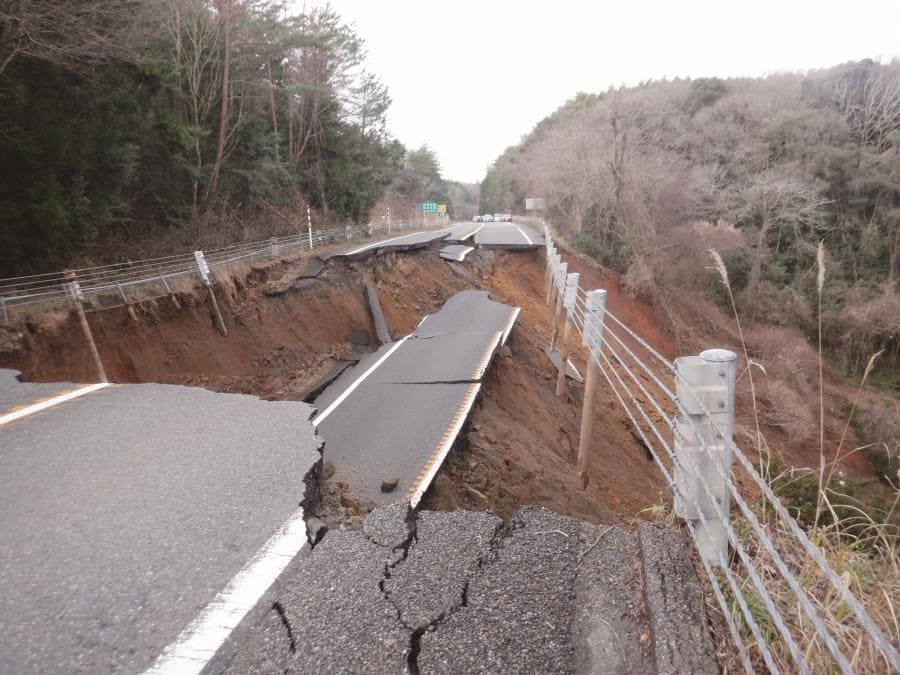
When Returning Residents Became a Source of Resilience
Yet a different perspective reveals another truth. The Noto Peninsula faces chronic population decline and aging. Had the earthquake occurred during a normal period, many communities would have consisted primarily of elderly residents with limited capacity to respond.
Because it was New Year’s Day, younger generations were present. In many cases, they played critical roles:
- Clearing debris and performing emergency repairs
- Assisting elderly relatives with evacuation and care
- Communicating with external organizations and sharing information
- Procuring and transporting supplies independently
In this sense, temporary population inflows initially strained response systems, but later became a key driver of recovery. The same “human flow” that complicated emergency management also strengthened local resilience.
The Core Issue: Misalignment Between People and Systems
Recent disasters highlight a recurring pattern:
- Great Hanshin Earthquake: early morning
- Kumamoto Earthquake: nighttime
- Hokkaido Eastern Iburi Earthquake: pre-dawn
- Noto Peninsula Earthquake: New Year’s Day
These events occurred during periods when societal response capacity is reduced. However, the true issue is not inconvenient timing alone.
The core problem is the misalignment between human movement and institutional readiness. People were present—but systems were operating at reduced capacity. This gap simultaneously amplified damage and enabled recovery.
The Question the Noto Earthquake Leaves Us
The Noto Peninsula earthquake was not merely an unfortunate holiday disaster. It forces us to confront a deeper question:
How resilient is society when population flows shift rapidly, but administrative and infrastructure systems cannot respond at full strength?
Future disaster preparedness and BCP efforts must address whether:
- Systems can function even when key personnel are unavailable
- Communities can sustain themselves until external support arrives
- Infrastructure can absorb both population surges and shortages without failure
Disaster preparedness is not about planning for convenient scenarios. It is about testing whether society can endure the worst possible timing under the most unstable human conditions.
The Noto Peninsula earthquake was both a lesson in vulnerability and a demonstration of latent recovery capacity. Facing both realities is essential if we are to prepare for what comes next.
Product Lineup & Inquiries
▶ Product Lineup
https://sakigakejp.com/en/sales/
▶ Contact Form
https://sakigakejp.com/en/contact-en/