
 SAKIGAKE管理人
 Beauty and Peril in the Same Landscape
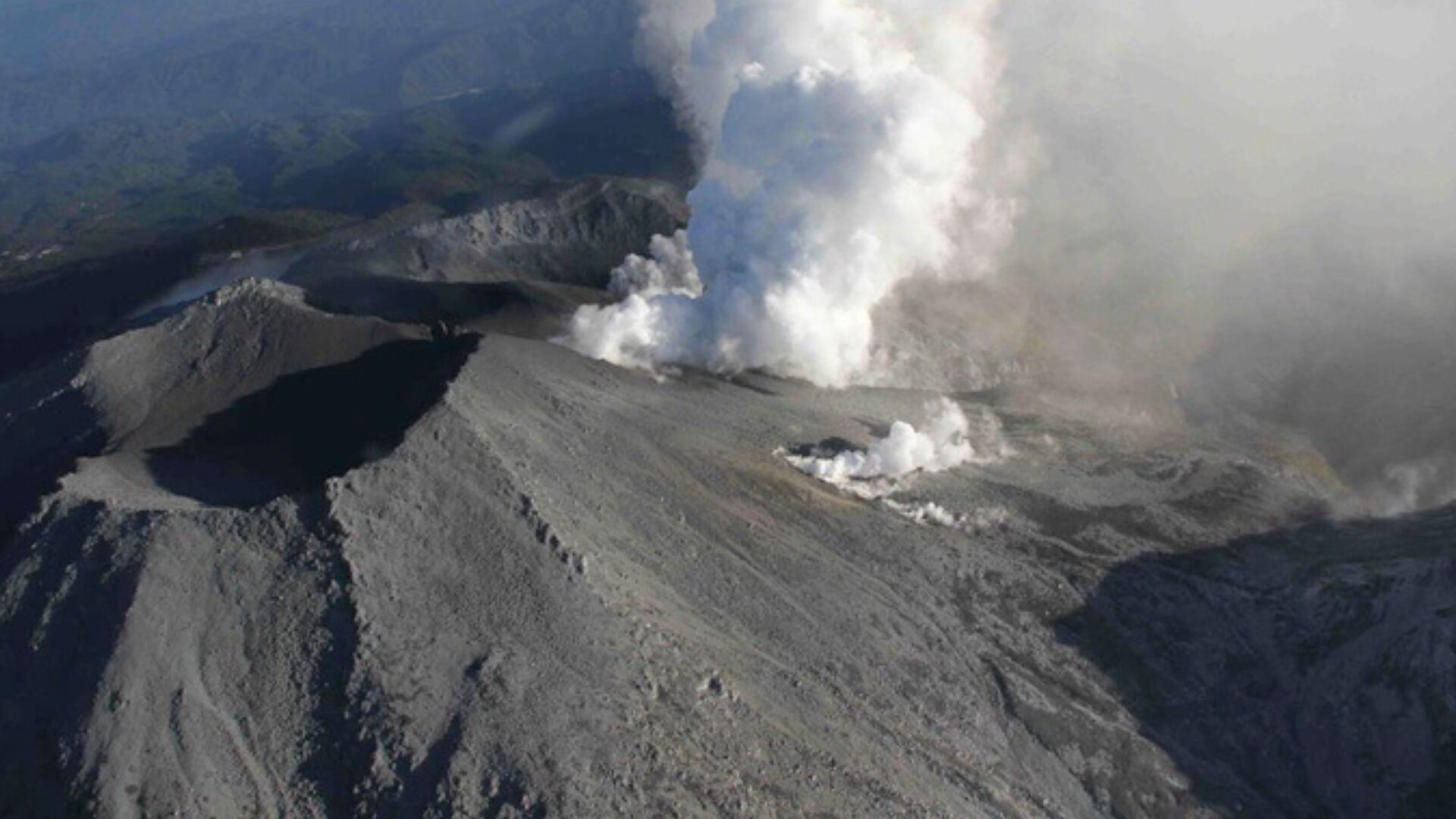
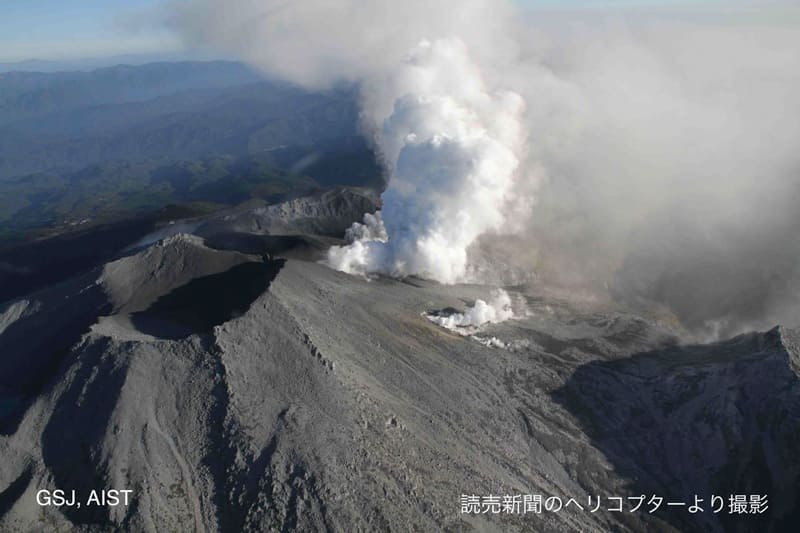
On September 27, 2014, just before the autumn foliage season, Mt. Ontake—straddling Nagano and Gifu prefectures—erupted suddenly. The eruption claimed the lives of 58 climbers, becoming the worst volcanic disaster in postwar Japan.
This tragedy forced us to confront a question: How should we live in volcanic regions where natural blessings and risks coexist? Volcanoes are symbols of beauty and abundance, yet at the same time, they are “living disaster sources” that can suddenly threaten lives and livelihoods.
In regions that have long thrived as hot spring resorts, hiking destinations, and tourism hubs, balancing volcanic risk with economic vitality is an unavoidable challenge.
Not a “Distant” Problem — Communities Living Beside Volcanoes
Japan is home to 111 active volcanoes, more than 50 of which are under constant monitoring. From Hokkaido to Kyushu and the outlying islands, countless businesses, transport networks, and communities are located at the foot of volcanoes.
This means that “living with volcanoes” is not a niche issue—it is a reality for a wide range of industries, including:
- Tourism operators such as hot spring resorts, hotels, and local associations
- Ropeway and trail maintenance businesses
- Mountain guides, outdoor activity providers
- Temples, shrines, and cultural facilities in volcanic regions
- Manufacturers, farmers, and logistics companies based in volcanic zones
For these stakeholders, volcanic disaster preparedness should be addressed not as a “what if,” but as a matter of “when.”
Facing the Dilemma: “Attracting Visitors” vs. “Protecting Lives”
The Ontake eruption taught us that even when a disaster cannot be predicted, there are ways to protect lives. No warning signs were observed the day before, and the eruption occurred without prior notice. For tourism-driven communities, the challenge is always how to continue operations while ensuring safety.
- “Will visitors stop coming if we highlight the risks?”
- “Could excessive measures trigger negative rumors?”
- “How should we operate evacuation drills and warning systems?”
To navigate this dilemma, the concept of phase-free disaster preparedness is effective—integrating preparedness seamlessly into everyday business operations.
Three “Phase-Free Disaster Preparedness” Actions for Businesses
1. Information Sharing & Visibility in Daily Operations
- Clearly display volcanic activity levels and evacuation routes via websites, social media, and on-site signage
- Communicate safety measures openly to build trust and reassurance
- Integrate data from hiking apps and the Japan Meteorological Agency for real-time decision-making
2. Everyday-Usable Disaster Infrastructure
- Place photoluminescent signage, emergency food, and kits in visible, accessible areas
- Invest in facilities like storage batteries or off-grid refrigerators that serve daily use and disaster response alike
- Position staff training as an extension of routine work, ensuring sustainability
3. Strengthening Partnerships with Local Governments and Communities
- Build relationships through disaster agreements and joint BCP training with municipalities, fire departments, and neighboring facilities
- Create evacuation plans and drills at the level of local tourism associations
- Avoid “going it alone”—cooperation can be the difference between life and death in volcanic disasters
Preserving Beautiful Volcanic Regions for the Next Generation
The Ontake eruption was more than a natural disaster—it was a turning point that redefined how humans coexist with nature. Living, working, and visiting near volcanoes means not only accepting risks but also embracing the richness of nature.
That is why SAKIGAKE JAPAN, as a disaster preparedness specialist, is committed to advancing from “preparedness to protect” toward “preparedness that sustains local life and livelihoods.” Together with businesses, municipalities, and visitors, we aim to make disaster preparedness not a “special measure” but a natural part of daily life.
For consultations on BCP planning or disaster solutions in volcanic regions, please contact us:
▶ [Contact Form]