
 SAKIGAKE管理人
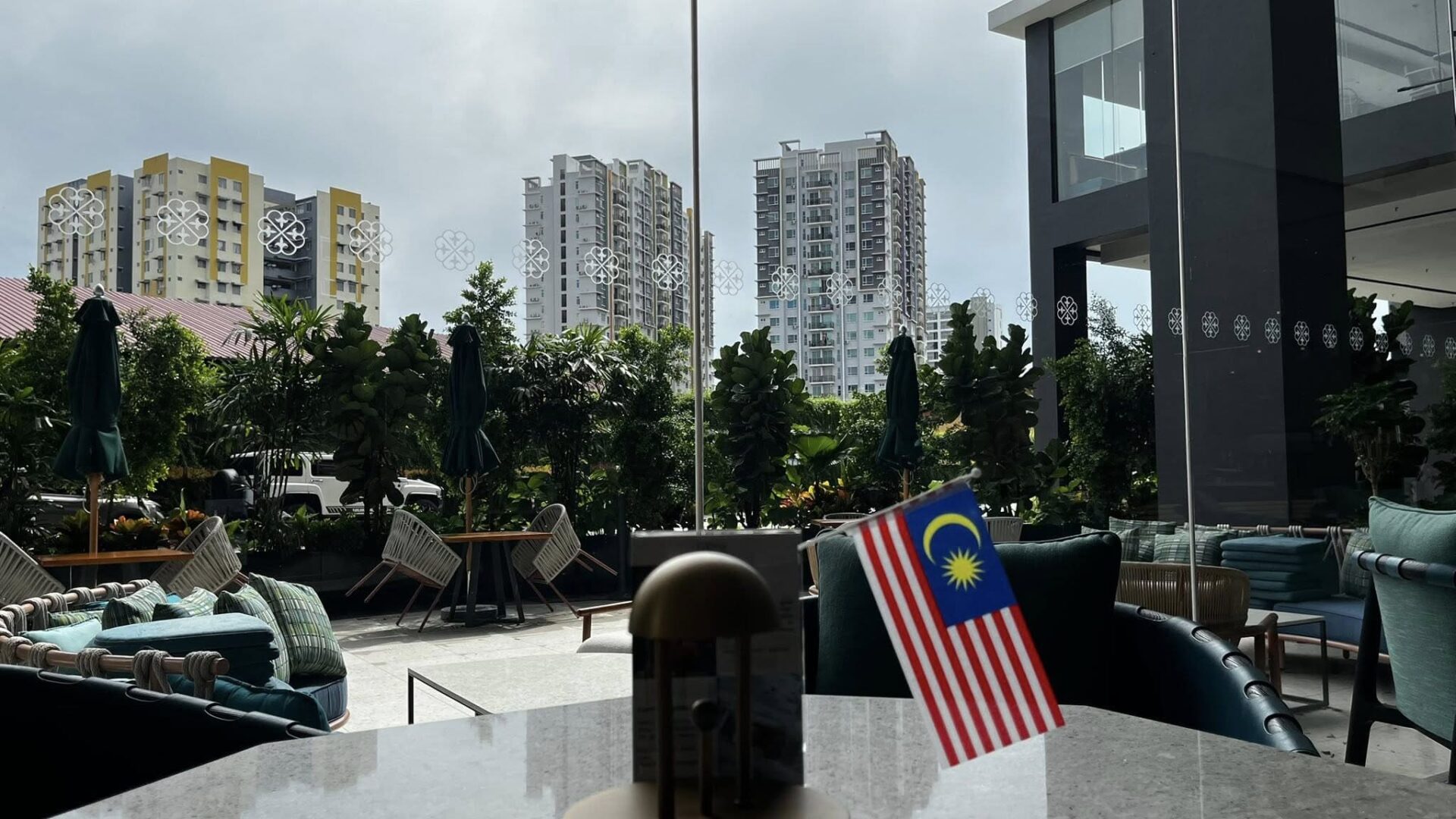
 In late August 2025, our CEO, Mr. Munetoshi Kondo, traveled to Malaysia to deliver an intensive lecture on disaster risk reduction (DRR) to a group of Malaysian government officials. The lecture was part of the “Disaster Management Program 2025 (DMP2025),” a specialized DRR training course under the Malaysian government’s national program, “PRESTIJ: Government Expert and Consultant Development Program.”
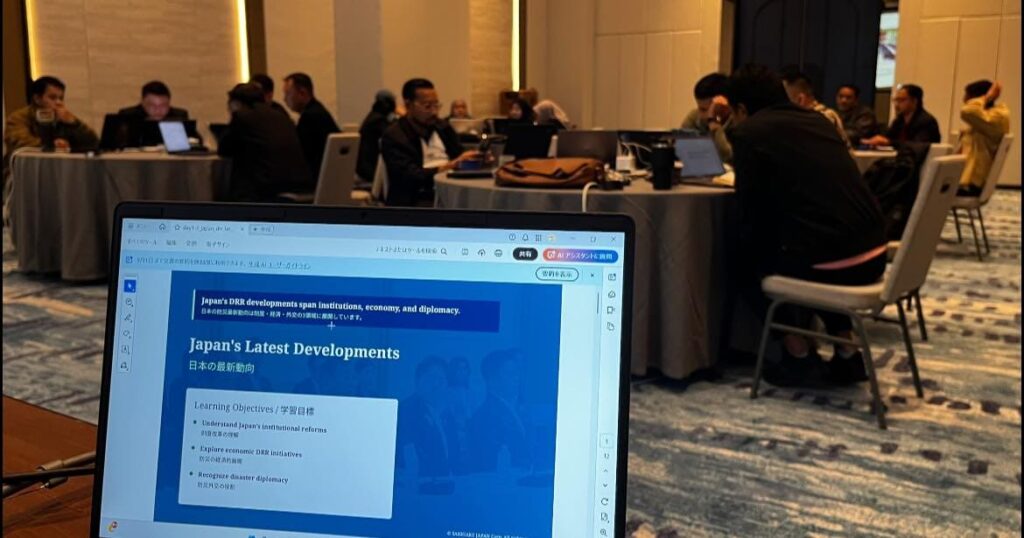
19 Selected Officers from Key Ministries — The Future Leaders of Malaysia
Nineteen officials selected from major government bodies—including the Prime Minister’s Department, Ministry of Health, Ministry of Education, Ministry of Agriculture and Food Security, Ministry of Science, Technology and Innovation, and Ministry of Natural Resources and Environmental Sustainability—participated in the program.
These participants, who are involved in a wide range of policy fields such as disaster management, national security, public health, science and technology, and local governance, are undertaking a six-month intensive training in disaster risk management.
Key Lecture Themes: Institutions, Disaster Diplomacy, and “Build Back Better”
Mr. Kondo’s lecture was delivered in a full-day, 8-hour intensive format. The first day focused on the following key topics:
- The Sendai Framework for Disaster Risk Reduction and its global relevance
- The practical meaning and policy implications of “Build Back Better”
- The policy process behind the establishment of Japan’s Cabinet Office for Disaster Management
- Japan’s international DRR strategy, including the concept and potential of “disaster diplomacy”
On the first day, we introduced Japan’s latest disaster prevention initiatives, including the establishment of the Disaster Prevention Agency, Phase-Free efforts, and advances in disaster diplomacy. Next, we asked government officials to examine how to apply the “48 Disaster Response Tasks” proposed by the Numata Laboratory at the University of Tokyo to their respective ministries’ jurisdictions. This involved identifying overlaps and gaps in responsibilities and considering how to utilize these insights for their own countries’ flood countermeasures. Furthermore, drawing lessons from the Great East Japan Earthquake (2011) and the Western Japan Heavy Rain (2018), participants deepened discussions on learnings that should be incorporated into their own countries’ policies and designed policy proposals.
“Disasters Cannot Be Stopped. But the Damage Can Be Reduced.”
A recurring message throughout the lecture was:
“Disasters cannot be stopped. But the damage can be reduced.”
More than just transferring systems or technologies, it is essential to consider how to root them in local context and embed them in society.
During the training, participants openly shared the challenges and policy constraints they face within their respective ministries, and discussed tailored solutions suited to their specific institutional contexts.
One particularly important topic was the need for context-specific discussions around information sharing and risk communication in Malaysia’s uniquely multi-ethnic and multi-religious society—an area where approaches may differ from those in Japan.
Our Mission: Delivering Systems, Not Just Tools
At SAKIGAKE JAPAN, our mission goes beyond introducing technologies or supplying products. We are committed to delivering systems through institutional design, policy proposals, and international cooperation.
This lecture was not simply about knowledge transfer. It served as a platform for Malaysian government institutions to reflect on how to prepare, respond, and build resilience in response to the challenges they face. The dialogue continues in lecture rooms across Malaysia as we explore how Japan’s DRR experience can be adapted to different institutional and cultural contexts.
Closing Thoughts: Rediscovering the Power of Connection
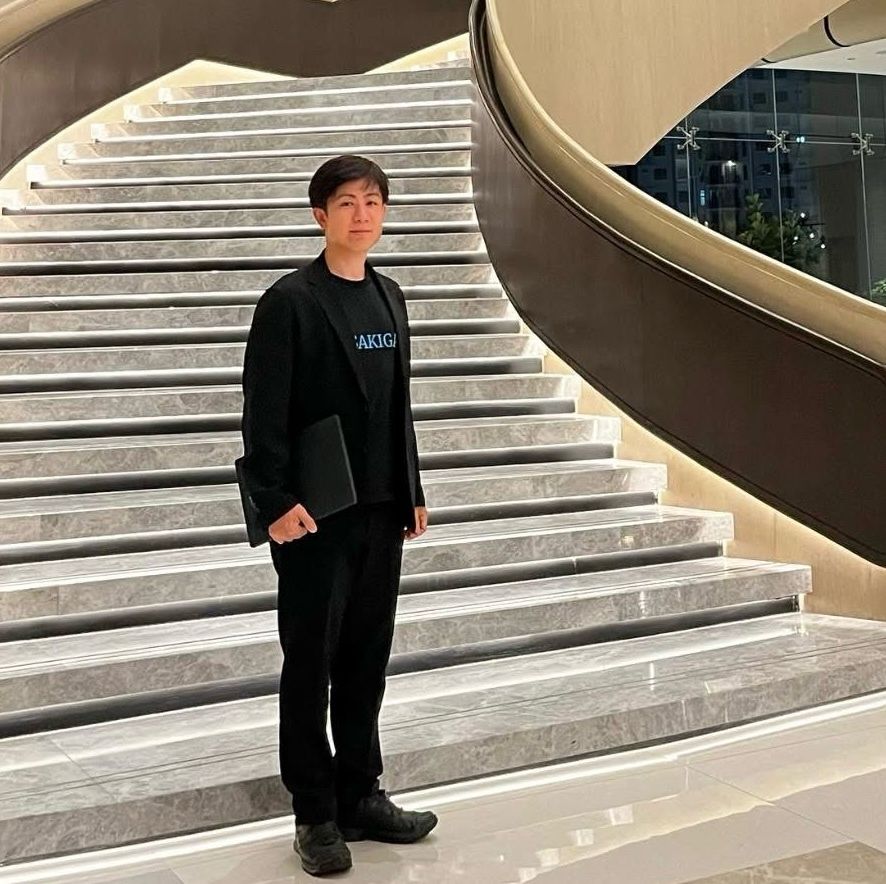
Malaysia has been accelerating its efforts in disaster management and institutional resilience in recent years. This visit, Kondo’s first in two years, provided a valuable opportunity to explore new avenues for collaboration between SAKIGAKE JAPAN and the Malaysian government.
The participants will soon visit institutions in Japan such as the University of Tokyo’s DMTC, JAXA, and the Kobe Earthquake Memorial Museum. Through industrial site visits and hands-on learning, they will gain perspectives that connect frontline experience with policy development.
What they bring back to their country is not just knowledge—it is a way of thinking that bridges strategy and reality.
We will continue working across borders to help build a world where “preparedness” is a shared social foundation.
▶ For inquiries about lectures, collaborations, or consultations, click here.