
 SAKIGAKE管理人
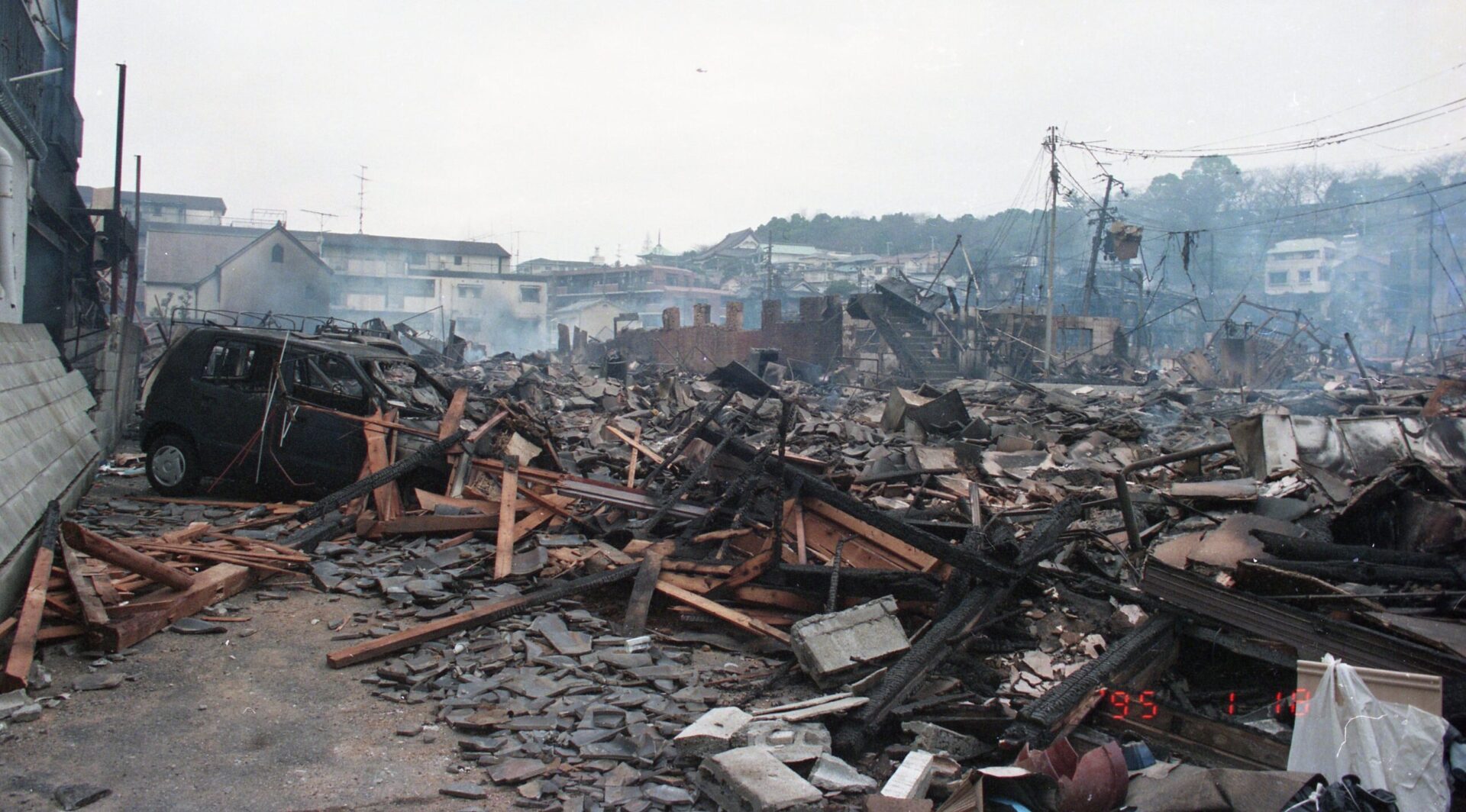
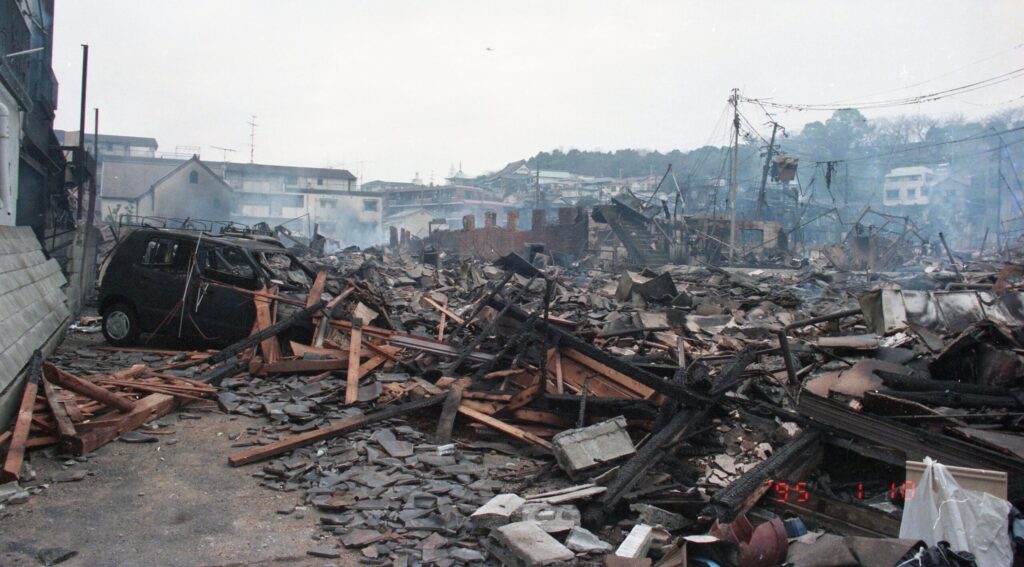
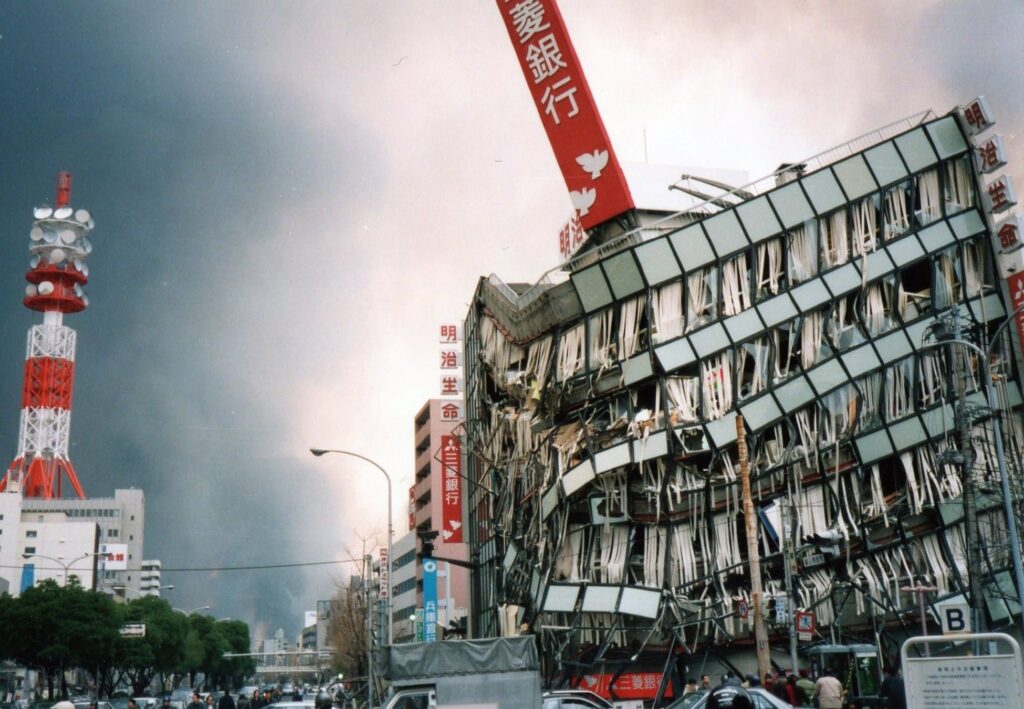
 At 5:46 a.m. on January 17, 1995, a magnitude 7.3 earthquake struck southern Hyogo Prefecture, devastating Kobe and surrounding areas. The Great Hanshin-Awaji Earthquake recorded a maximum seismic intensity of 7, resulting in 6,434 fatalities, approximately 43,000 injured, and the complete destruction of around 105,000 buildings.
Among the many legacies this disaster left behind, one of the most significant was a profound shift in Japanese society—later described as the birth of the “Year of the Volunteer.”
A Reality That Government Alone Could Not Overcome
— The First 72 Hours and the Limits of Institutional Response
One of the harshest truths revealed by the Great Hanshin-Awaji Earthquake was that government authorities alone could not save all lives.
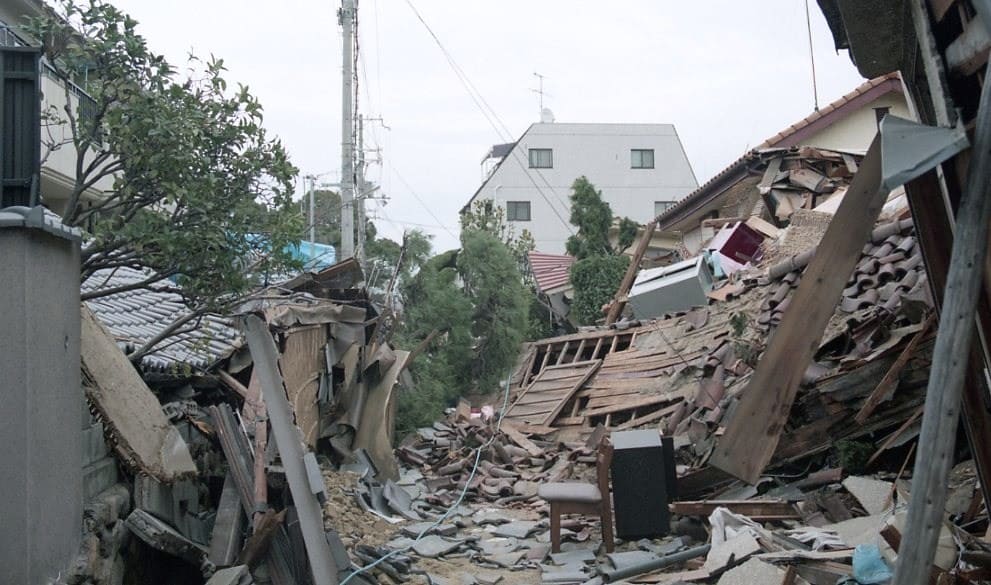
The earthquake struck early in the morning. Many local government officials were themselves victims. Municipal offices and communication systems were damaged, and roads were blocked throughout the city. Although professional responders—firefighters, police, and the Self-Defense Forces—were mobilized, the scale and nature of this urban, near-field earthquake far exceeded existing assumptions and preparedness.
The most critical period was the first 72 hours after the quake, when survival rates for people trapped under collapsed buildings decline rapidly. In densely built residential areas, heavy machinery could not reach victims quickly, and official rescue teams were delayed.
It was the people closest to the scene who saved lives.
Family members, neighbors, commuters, and passersby—ordinary citizens—took action. According to official studies, approximately 80% of those rescued from collapsed buildings were saved by civilians, not by professional responders. Using crowbars, car jacks, or even their bare hands, they removed debris and pulled people to safety. Lacking training and equipment, their actions nevertheless made the difference between life and death.
This reality fundamentally challenged a long-held assumption in postwar Japan: that disaster response is something the government handles.
- Government is essential—but not omnipotent.
- Systems matter—but in the earliest moments, human hands move first.
The Great Hanshin-Awaji Earthquake exposed this truth with brutal clarity.
Source: Cabinet Secretariat (Disaster Management), Government of Japan
https://www.bousai.go.jp/en/documentation/white_paper/pdf/2020/PI1-1.pdf
1.37 Million Volunteers Moved
— When the Impulse to Help Transformed Society
Another major turning point followed the earthquake: the unprecedented influx of approximately 1.37 million volunteers into the disaster area over the course of one year.
At the time, Japan had almost no concept of “disaster volunteers.” There were no established systems, reception centers, or coordination mechanisms. And yet, people came.
Students, office workers, homemakers, retirees—people of all ages and backgrounds traveled to Kobe driven by a simple thought: “There must be something I can do.”
Their contributions covered a vast range of needs:
- Clearing debris and damaged homes
- Cooking and distributing meals
- Managing evacuation shelters
- Supporting elderly and disabled residents
- Providing emotional support by simply listening
These were areas where government capacity was stretched thin. In many evacuation shelters, the presence—or absence—of volunteers directly affected living conditions.
Of course, confusion and challenges also emerged:
- Volunteers unsure where to go
- Mismatches between needs and available manpower
- Tasks requiring specialized skills
This experience shattered the illusion that goodwill alone is sufficient. But it also laid the foundation for something new. In the aftermath, disaster volunteer centers were established nationwide, and in 1998 Japan introduced its NPO legal framework. The earthquake did not merely mobilize people—it catalyzed the creation of a systematic model of civic participation in disaster response.
The “Year of the Volunteer” was not a feel-good story. It was the year Japanese society learned—through hardship—that neither government action nor goodwill alone is enough.
Source: Hyogo Prefectural Board of Education
https://www.hyogo-c.ed.jp/~somu-bo/bosai/pdf/kou/38.pdf
What the “Year of the Volunteer” Still Asks Us Today
Since the Great Hanshin-Awaji Earthquake, disaster preparedness in Japan has often been described through a three-layer framework:
- Public assistance (government)
- Mutual assistance (communities and citizens)
- Self-help (individuals)
Yet today, with accelerating population decline and aging, we cannot assume the same conditions as in 1995. The question is no longer whether people are willing to help, but whether systems, information, and infrastructure are designed to allow people to act effectively when disaster strikes.
The Great Hanshin-Awaji Earthquake was not simply a moment when many volunteers gathered. It marked the beginning of an era in which citizens, companies, and civil society became essential actors in disaster response—not supplements to government, but partners.
Nearly 30 years later, we must ask ourselves again:
Will the next disaster require another “year zero”?
Preparing so that it does not may be one of the most important responsibilities we share today.
Product Lineup & Contact
▶ Product lineup
https://sakigakejp.com/en/sales/
▶ Contact form
https://sakigakejp.com/en/contact-en/