
 SAKIGAKE管理人
 Introduction — The Tragedy Caused by the Unexpected
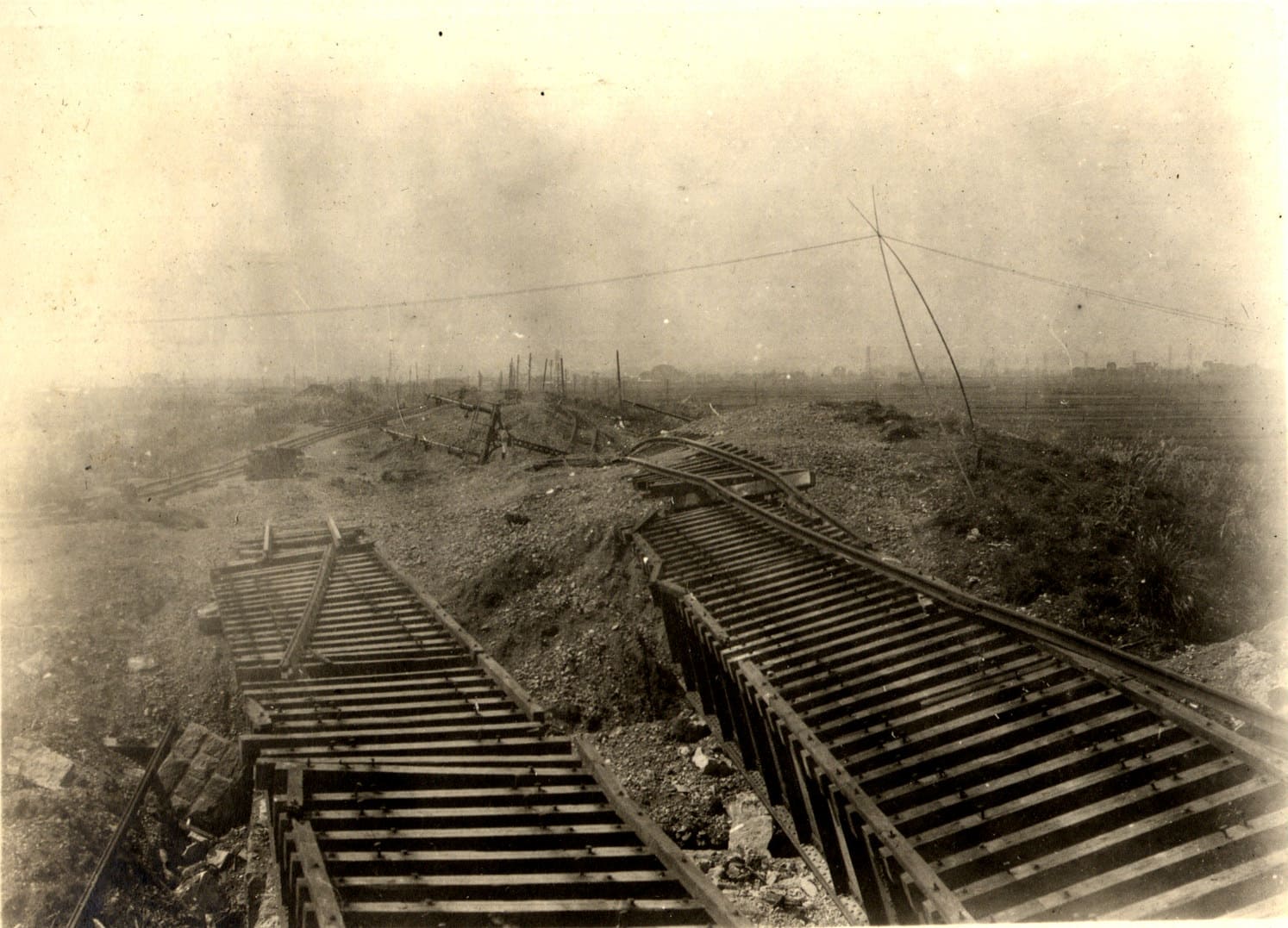
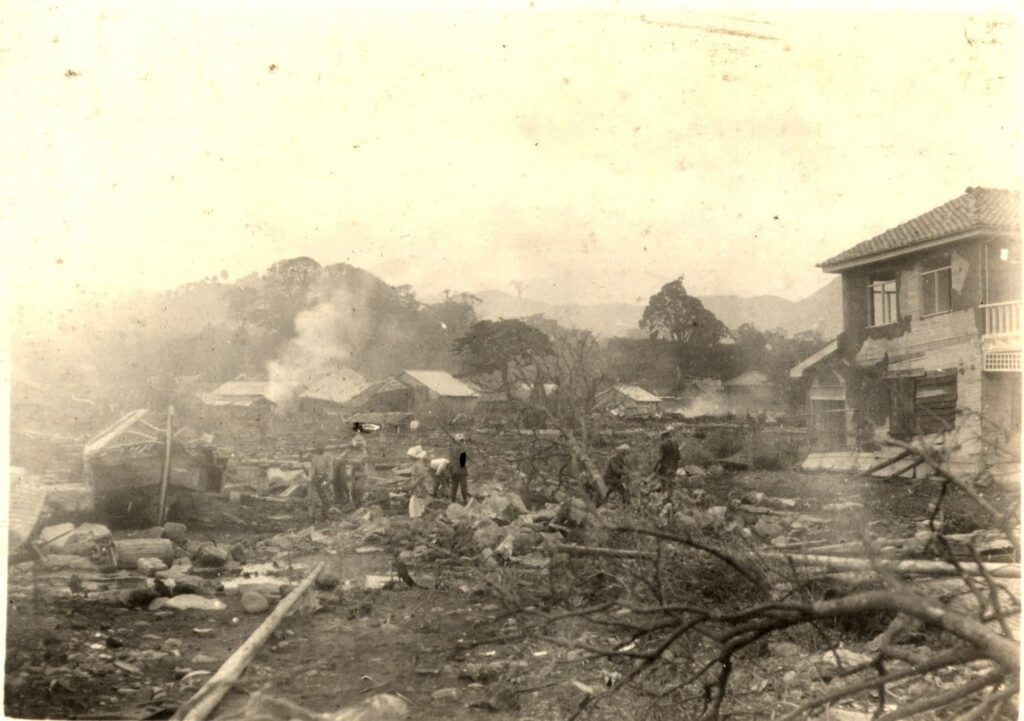
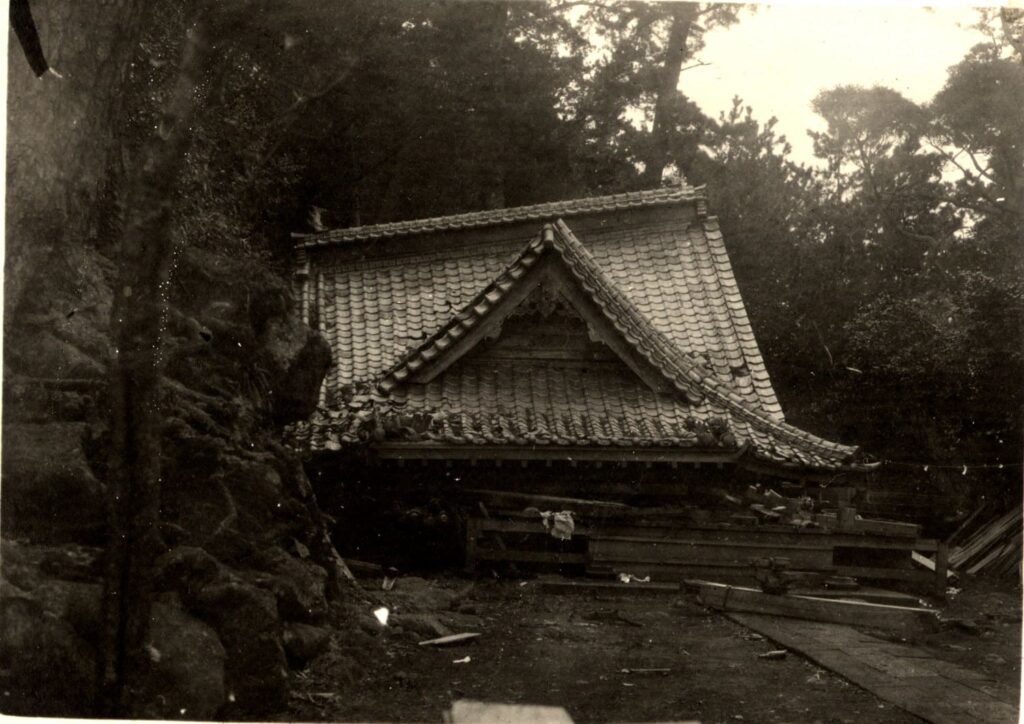
On September 1, 1923, the Great Kanto Earthquake struck the Tokyo and Yokohama areas with devastating impact. More than 100,000 people were killed or went missing, with the majority of deaths resulting not from the quake itself but from widespread fires. At the time, Japan was rapidly adopting Western technologies such as modern railways and reinforced concrete buildings. Yet, these advancements failed to protect society.
Why?
In this article, we examine the damage not through the lens of whether technology existed, but through how it was chosen and applied. From this perspective, we explore insights that modern businesses can apply to their disaster preparedness strategies.
Urban Vulnerability Fueled by Fire, Not Just Earthquake
The most catastrophic damage from the Great Kanto Earthquake came not from shaking, but from fire. In the immediate aftermath, approximately 130 fires broke out simultaneously across Tokyo, eventually engulfing much of the urban area. Wooden houses stood tightly packed, water mains ruptured and failed to supply water for firefighting, and strong winds fanned the flames, leading to tens of thousands of deaths.
What’s critical here is that the risk of urban fire was not unforeseen. Urban planning experts of the Taisho era had already warned about the danger of fire spreading in dense residential zones. However, the city lacked proper firebreaks and sufficient adoption of fire-resistant architecture. In short, the technology existed — but society failed to apply it where and how it mattered.
Technology Was There — But It Was Not Put to Use
At the time of the disaster, reinforced concrete (RC) structures had already begun to appear. Some banks and public buildings built with RC survived the fire, demonstrating their fire-resistant performance. But such buildings were few and far between — they were dots in a sea of vulnerable structures.
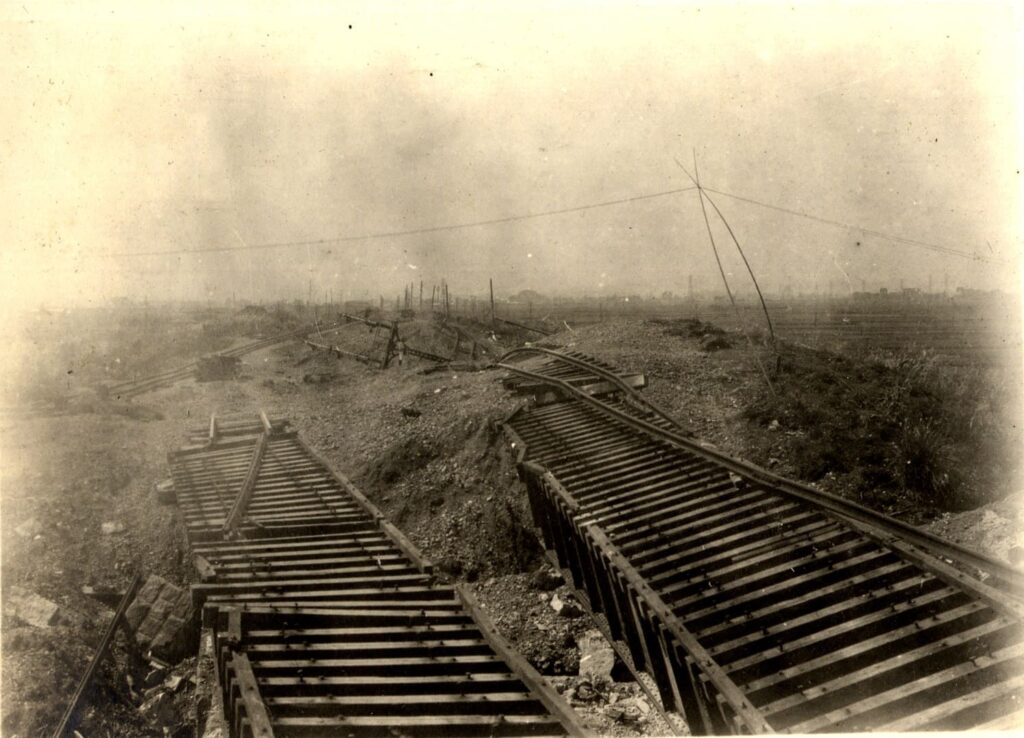
Similarly, Japan’s railway network, including major lines like the Tokaido and Chuo lines, was already in operation. However, many routes were rendered unusable due to collapsed bridges and inadequate fire protection. This wasn’t a matter of lacking technology — it was a failure in strategic planning: where to implement it, and how to leverage it effectively.
In other words, the disaster did not stem from the absence of technology, but from the lack of systems to choose and apply that technology properly.
The Illusion of Preparedness — and the Trap of “It Won’t Happen Here”
Another critical factor was a societal mindset shaped by a false sense of security and a belief in the “unexpected.”
- “This area is probably safe.”
- “There won’t be a fire that big.”
Such assumptions clouded urban design and disaster policy decisions. The result: a massive failure in preparedness.
Even the best technology is meaningless if no one decides to use it. And society cannot be protected unless there are systems and culture in place to support that decision-making.
What This Means for Corporate Disaster Preparedness
What lessons can we apply from the Great Kanto Earthquake to modern corporate disaster planning? Installing the most advanced BCP (Business Continuity Planning) systems won’t help unless there are clearly defined scenarios for “where,” “by whom,” and “when” those systems are to be used.
Similarly, reinforcing buildings for earthquakes is ineffective if employees don’t know the evacuation routes.
What’s essential is to embed not just tools and technologies, but systems for choosing and applying them within your organization.
Conclusion — A Century-Old Question That Still Matters
More than 100 years have passed since the Great Kanto Earthquake. While the nature of disasters has changed, the core questions about how to protect society remain the same:
- What technology do we choose?
- How do we apply it, and integrate it into everyday life?
If we fail to answer these, even the most cutting-edge technologies won’t save us.
At SAKIGAKE JAPAN, we don’t just provide disaster technologies as products — we deliver them as systems that can be used and sustained. Disasters are inevitable. But the scale of their impact depends not on what technology exists, but on how society chooses and uses it.