

 SAKIGAKE管理人
 “Volcanic Disaster = Sudden”? Not in This Case — A Planned Evacuation
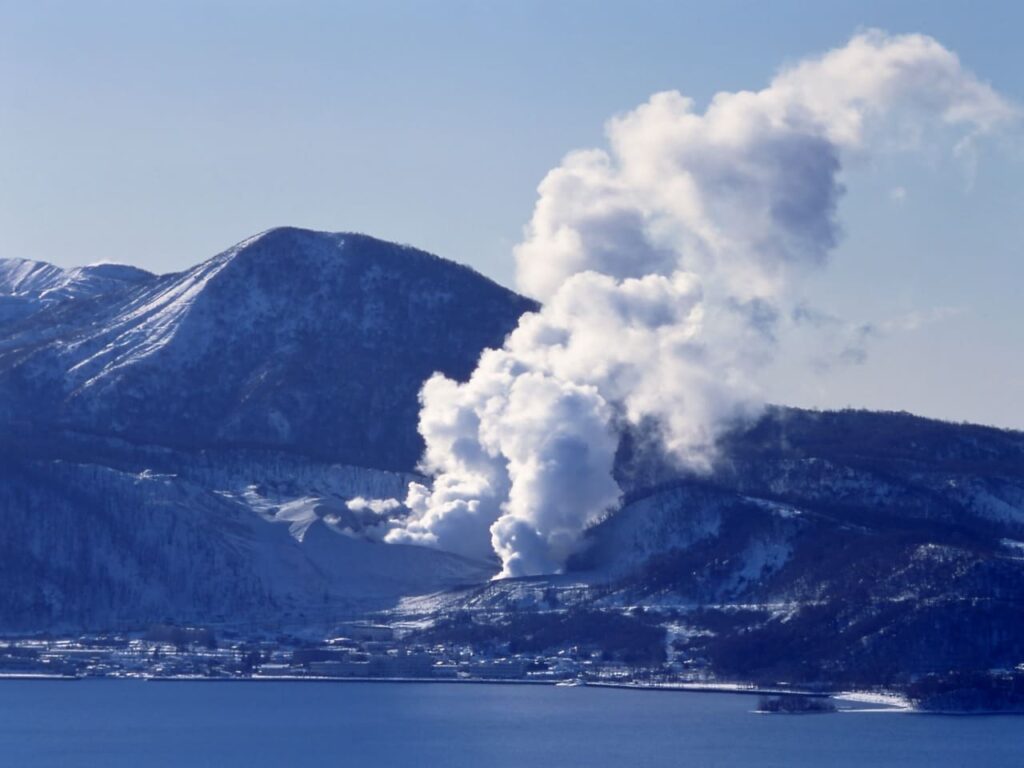
August 6, 2025 — Today marks exactly 48 years since the Mt. Usu eruption that occurred on August 6, 1977.
Located in southern Hokkaido, Mt. Usu is an active volcano that has erupted dozens of times in recorded history. Each eruption has prompted the local community to revisit the essential question: “What does effective disaster preparedness look like?”
In particular, the 2000 eruption attracted national attention for what was called a “miraculous evacuation,” where proactive efforts minimized human loss and showcased a model of crisis management.
In this article, we look back on the legacy of the 1977 eruption, while reflecting on the highly organized disaster preparedness surrounding the 2000 event—including early evacuations completed two days before the eruption and repeated “non-drill drills” conducted by former residents and local authorities—to explore insights for the future.
https://www.visit-hokkaido.jp/spot/detail_10177.html
Facts About the 2000 Mt. Usu Eruption
- Eruption Date: March 31, 2000
- Location: Date City and Toyako Town, Hokkaido
- Casualties: Zero deaths or missing persons
- Evacuation: All 15,000+ residents evacuated two days prior to eruption
- Infrastructure Damage: Roads and railways were destroyed by volcanic debris and mudflows; some buildings were also damaged
Why was such a “well-executed evacuation” possible?
“A Volcano That Has Erupted Will Erupt Again” — Lessons from the Past
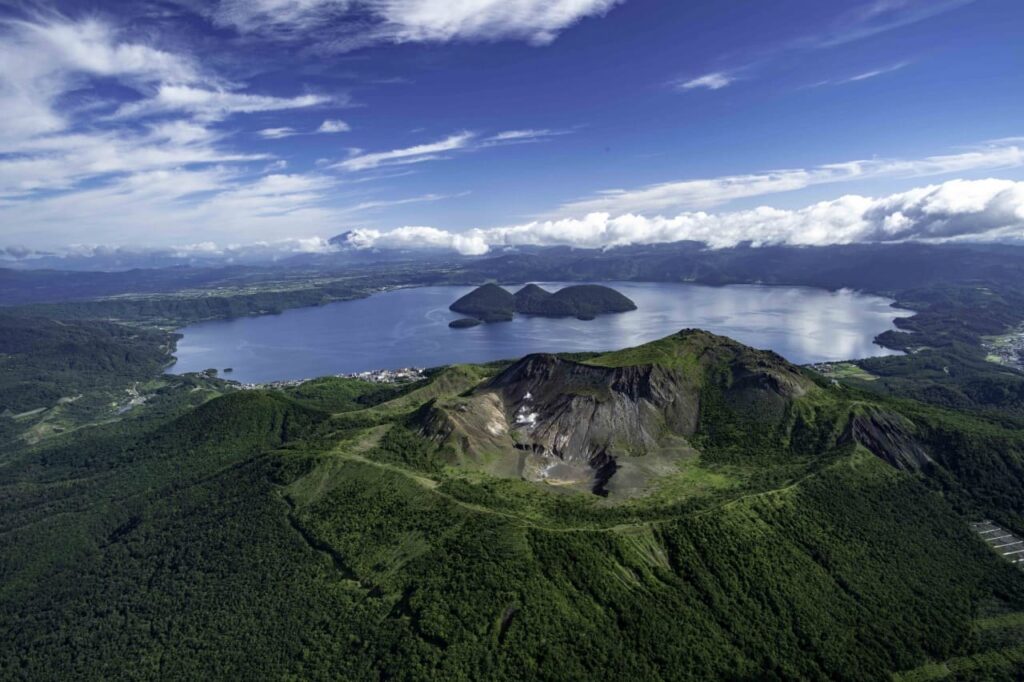
Mt. Usu is not just a scenic tourist destination—it’s a historically active volcano. In the 20th century alone, it erupted in 1910, 1944, 1977, and 2000. For locals, an eruption was not a distant or abstract threat, but a matter of “when,” not “if.”
That’s why municipalities and residents conducted repeated evacuation drills, checked escape routes, and shared a common understanding: “If Mt. Usu shows any signs of activity, we evacuate immediately.”
In essence, the residents believed in the reality of disaster.
This deep-seated awareness and trust made the seemingly miraculous evacuation possible.
https://www.visit-hokkaido.jp/spot/detail_10177.html
Why Should Businesses Care About Mt. Usu?
SAKIGAKE JAPAN specializes in disaster-resilient technology and business continuity planning (BCP) support. For many companies, volcanoes may seem like irrelevant, localized risks. But the Mt. Usu case reminds us that the real threat is complacency—assuming “it won’t happen here.”
From a corporate risk management perspective, here are key lessons:
- Evacuation was possible because pre-eruption signals were trusted and acted upon
- Residents and local authorities repeatedly engaged in realistic training—“non-drill drills”
- People accepted disaster risk as part of their daily reality
These same principles apply directly to BCP design and initial response training within organizations.
A Key Question: Does Your Company Have a Way to Detect Early Warning Signs?
Not all disasters come with obvious precursors like volcanoes do.
But early information is available—through meteorological agencies, local governments, scientific institutes, and private risk intelligence platforms.
The real question is: Who receives the information? When? And how is it interpreted and acted upon?
The Mt. Usu case challenges companies to develop internal systems where abnormal signals are recognized as such and responded to collectively.
That’s the true test of a resilient BCP.
https://www.visit-hokkaido.jp/spot/detail_10177.html
The Final Takeaway: Cultivating a Culture of “Trust in Action”
What stands out most in the story of Mt. Usu is how the decision to evacuate was implemented without hesitation. Disaster preparedness doesn’t begin with knowledge—it begins with the courage to act.
And courage is nurtured by shared rules that people trust.
Companies are not immune to disaster.
At SAKIGAKE JAPAN, we believe in learning from examples like Mt. Usu—where disaster memory is actively used in daily life—and in helping organizations and municipalities build a system of trusted initial response.
▶ For inquiries about disaster training programs or BCP support, feel free to contact us:
https://sakigakejp.com/en/contact-en/